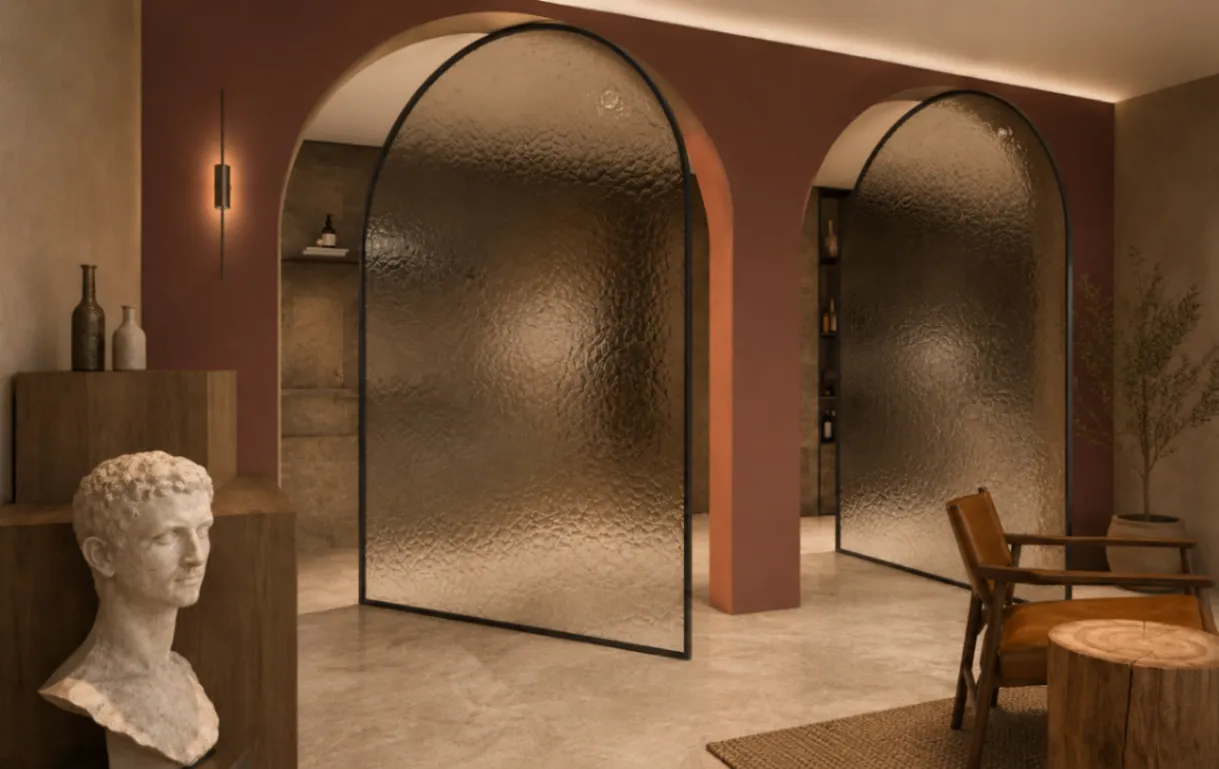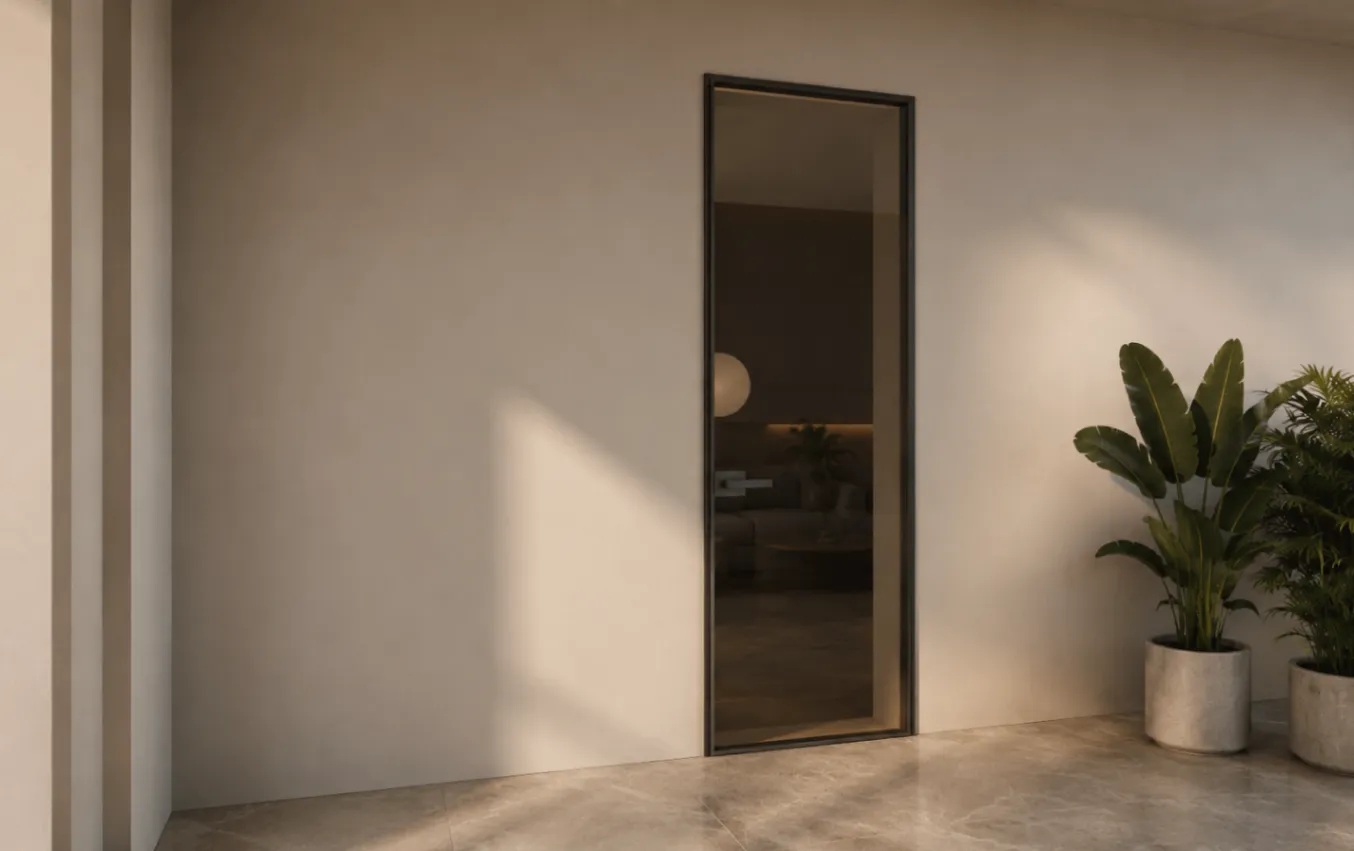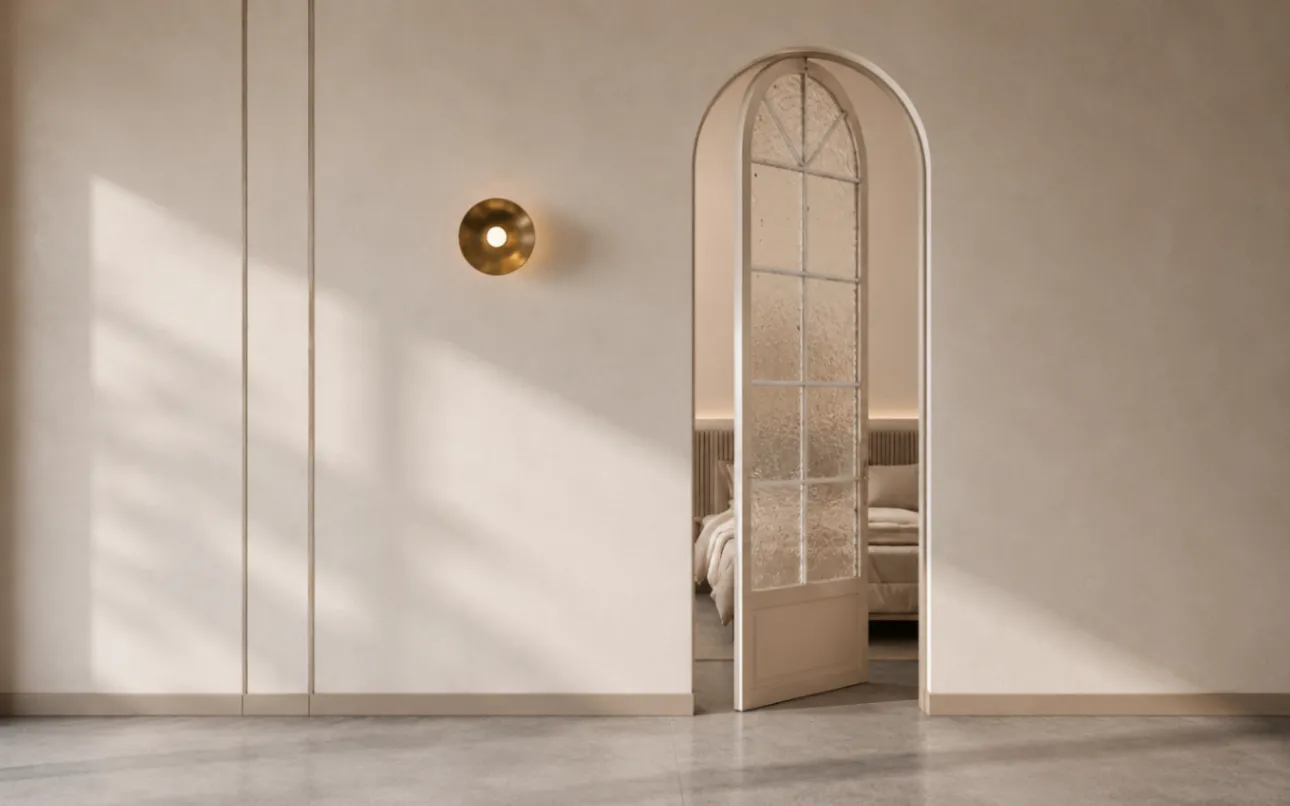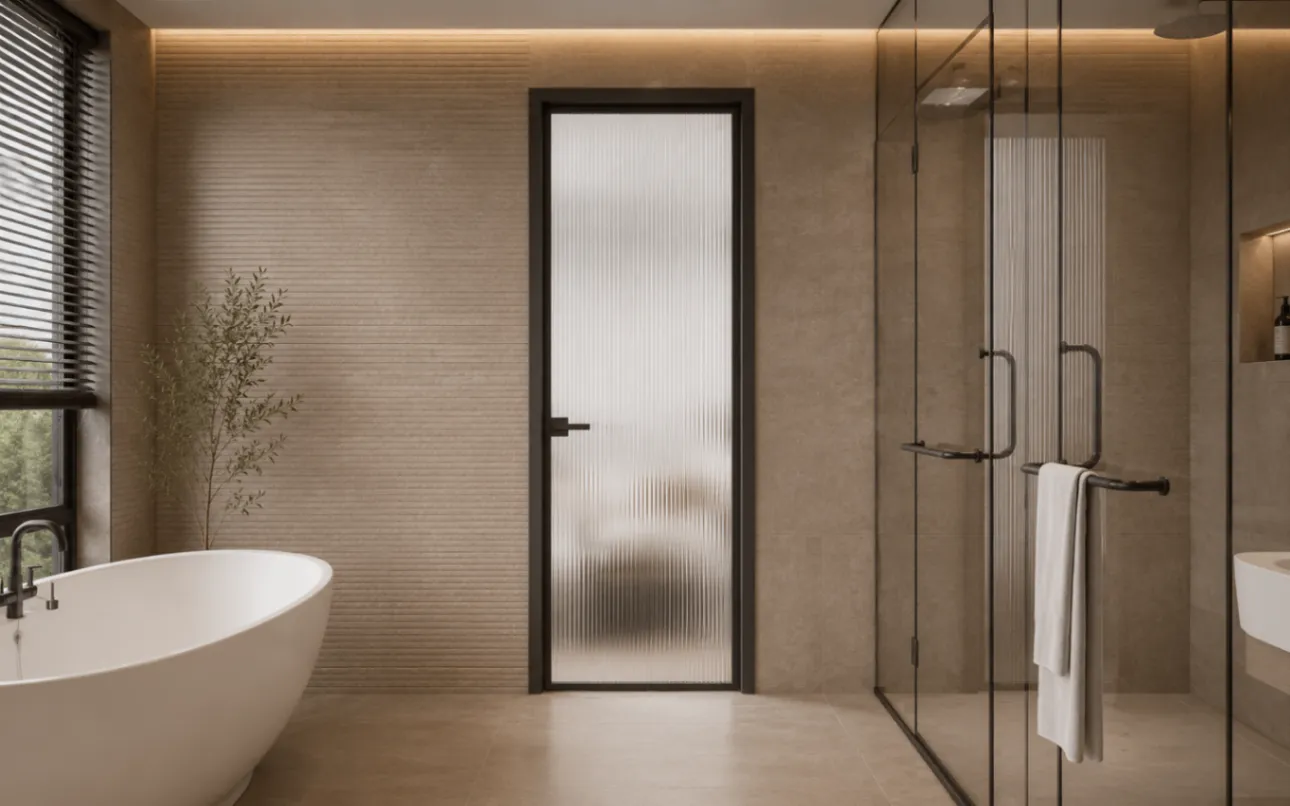
Interior Door Systems
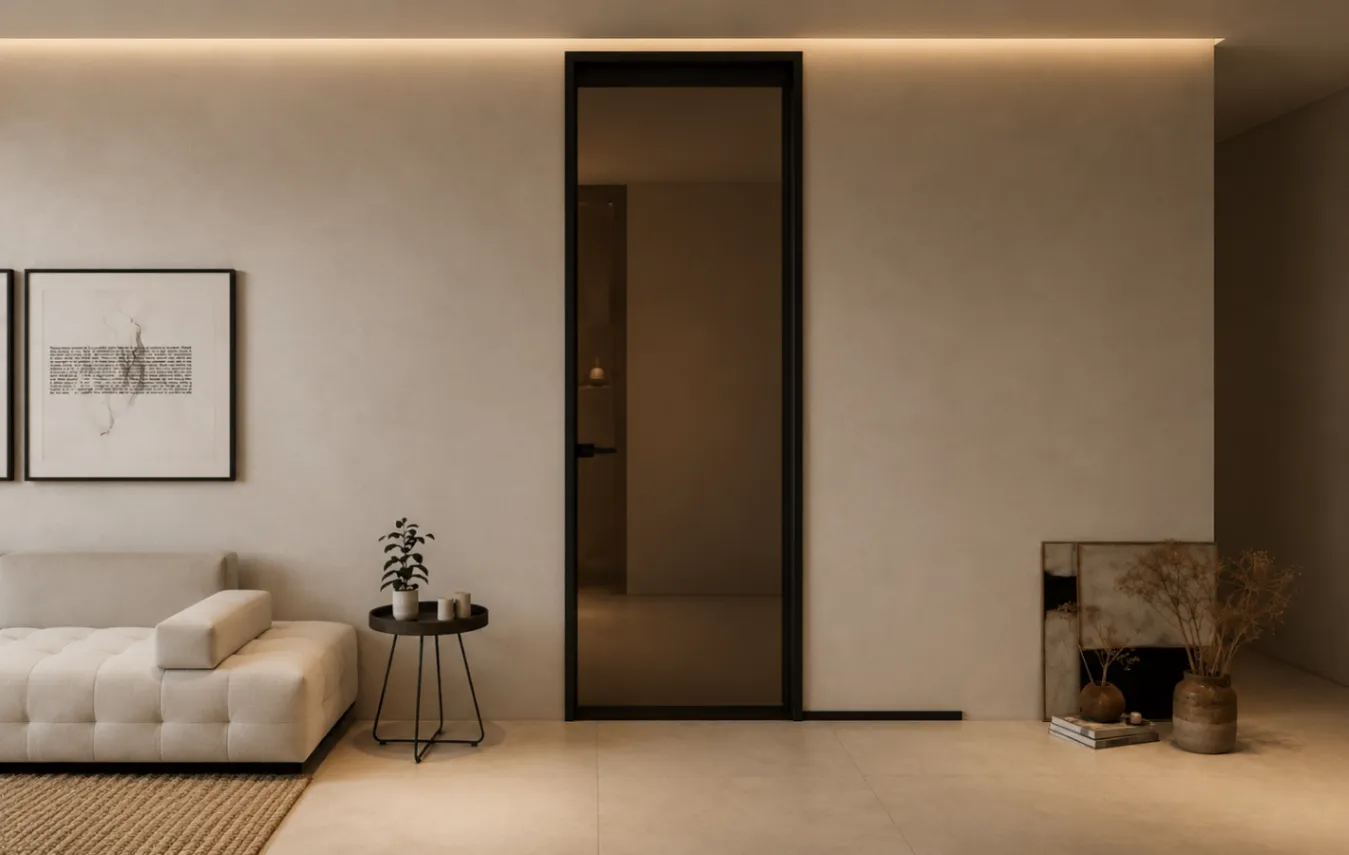
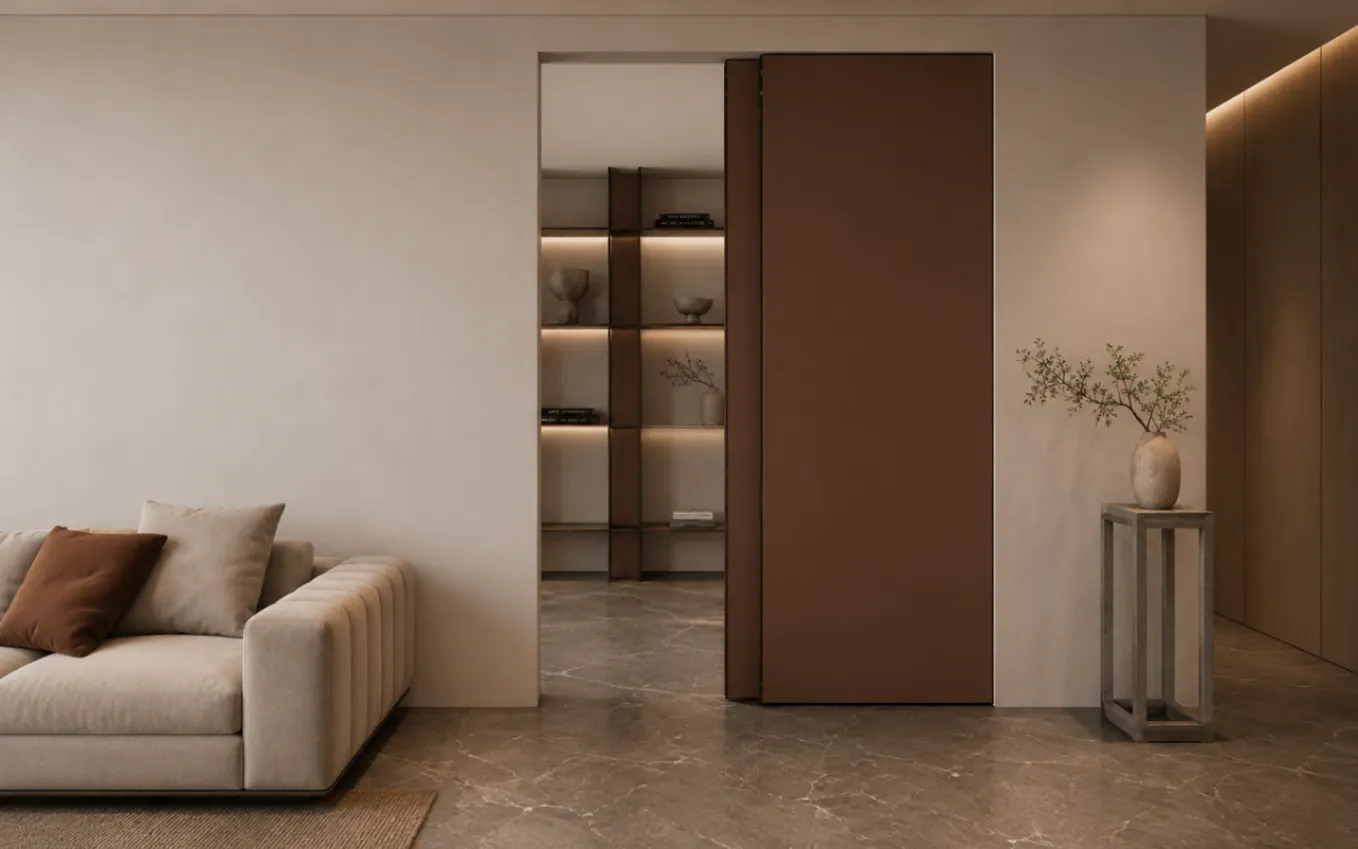
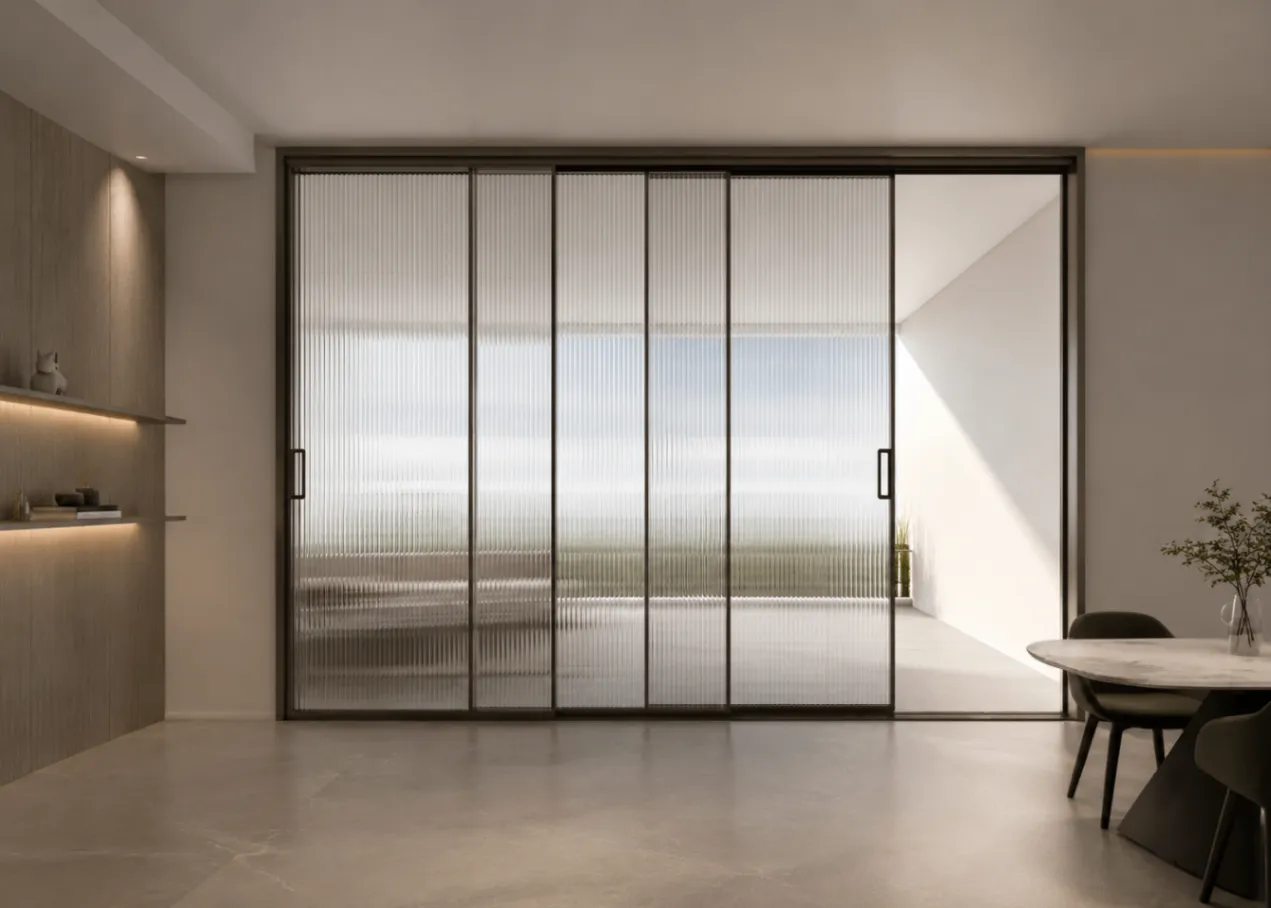
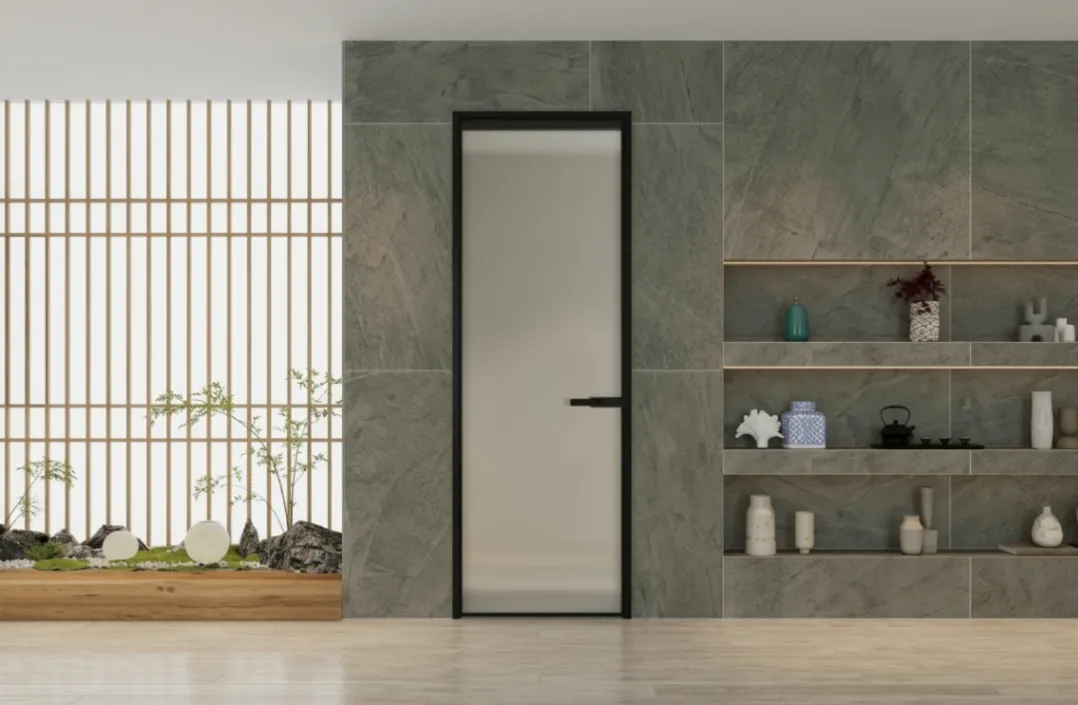
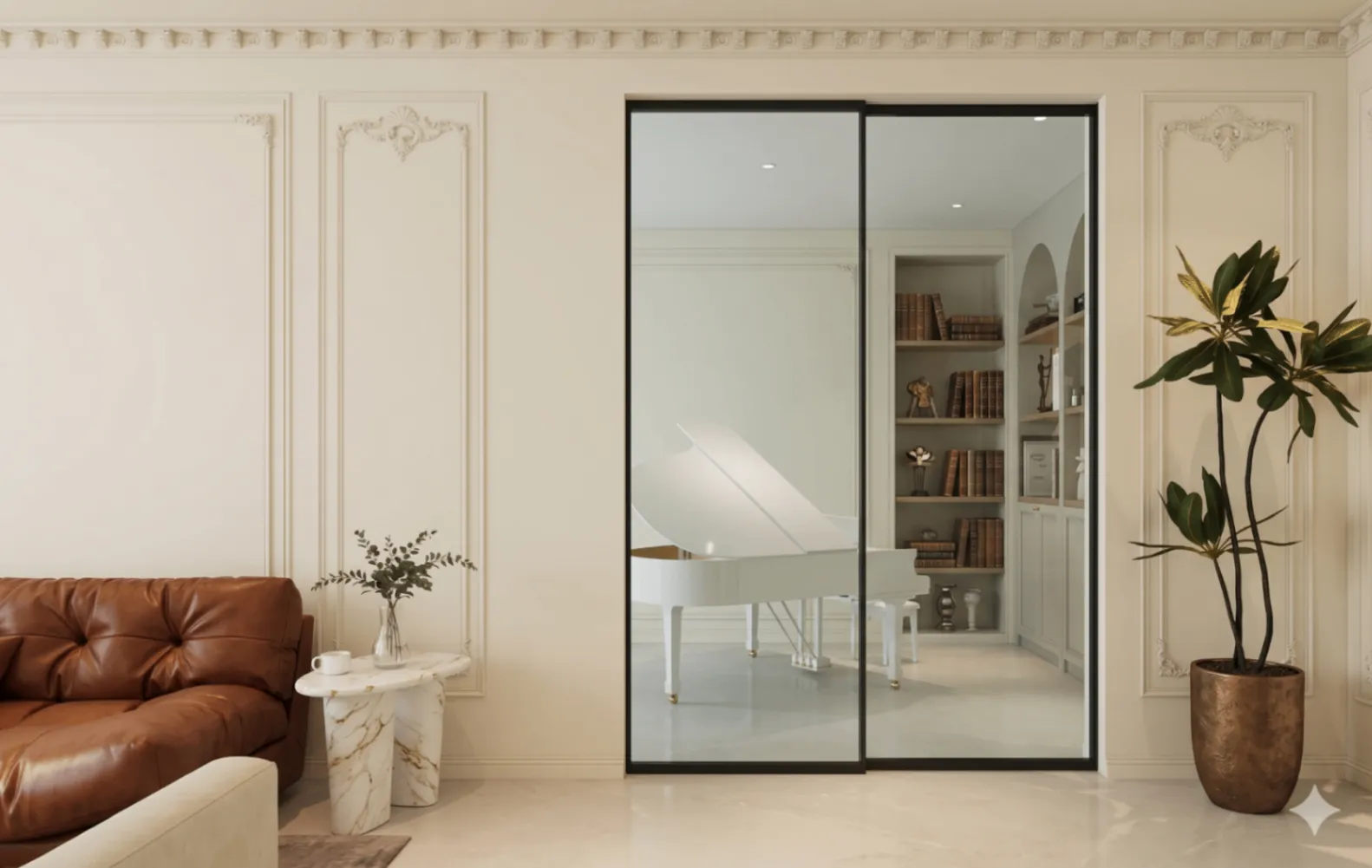
TL8 Aluminum Glass Pocket Door
Space-saving pocket sliding door that disappears into the wall cavity
View details
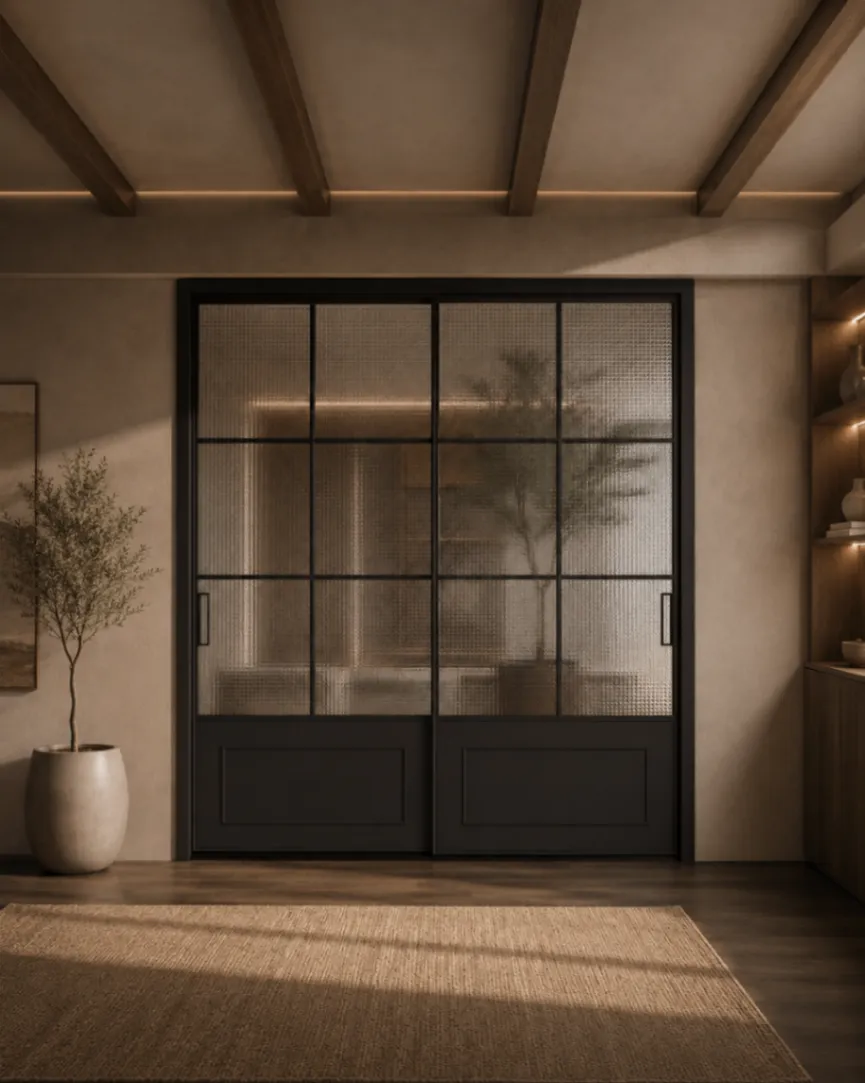
16 systems
Aluminium interior doors combine slim, precise frames with infills that do not swell, warp or attract termites in a humid climate. Alminyar supplies and installs visible-frame, hidden-frame, invisible, pocket, pivot, ghost and hanging sliding doors for villas and residences in Muscat, Dubai, Abu Dhabi and across the GCC.
Interior Door Systems
Space-saving pocket sliding door that disappears into the wall cavity
Interior Door Systems
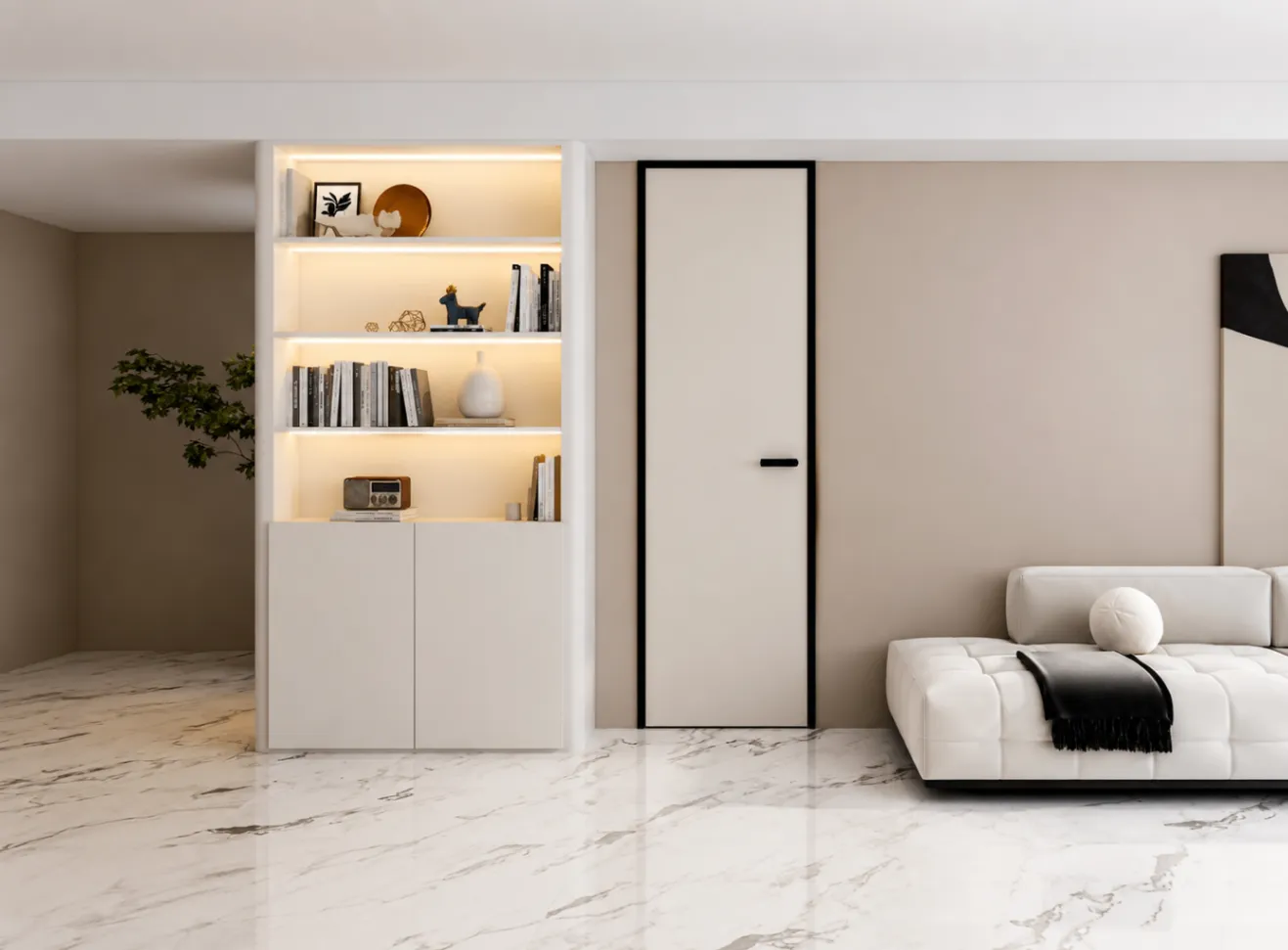
Versatile visible-frame interior door with SPC or Carbon Crystal board infill
Interior Door Systems
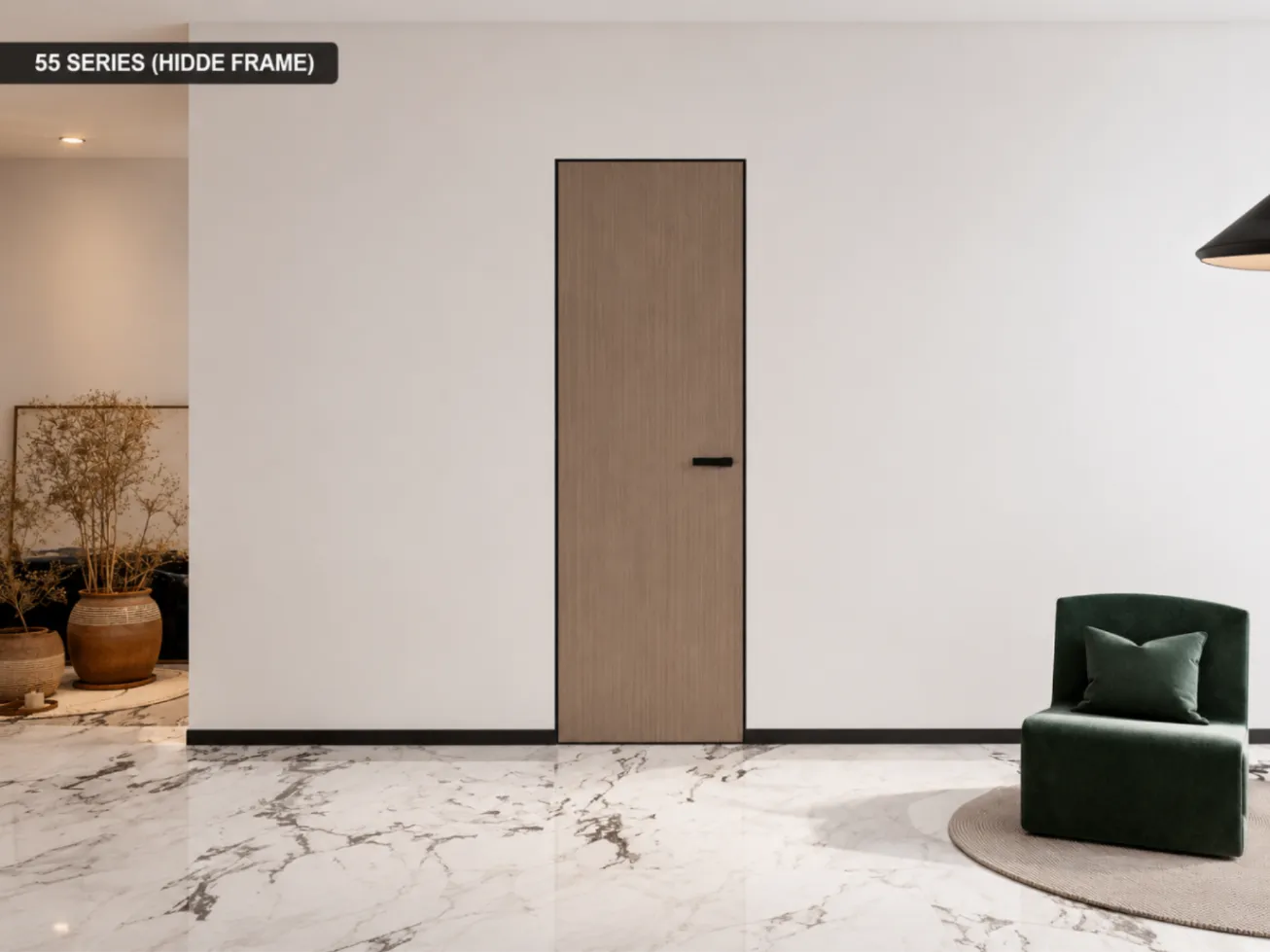
Premium 55 mm visible-frame interior door with Carbon Crystal or Solid Wood infill
Interior Door Systems
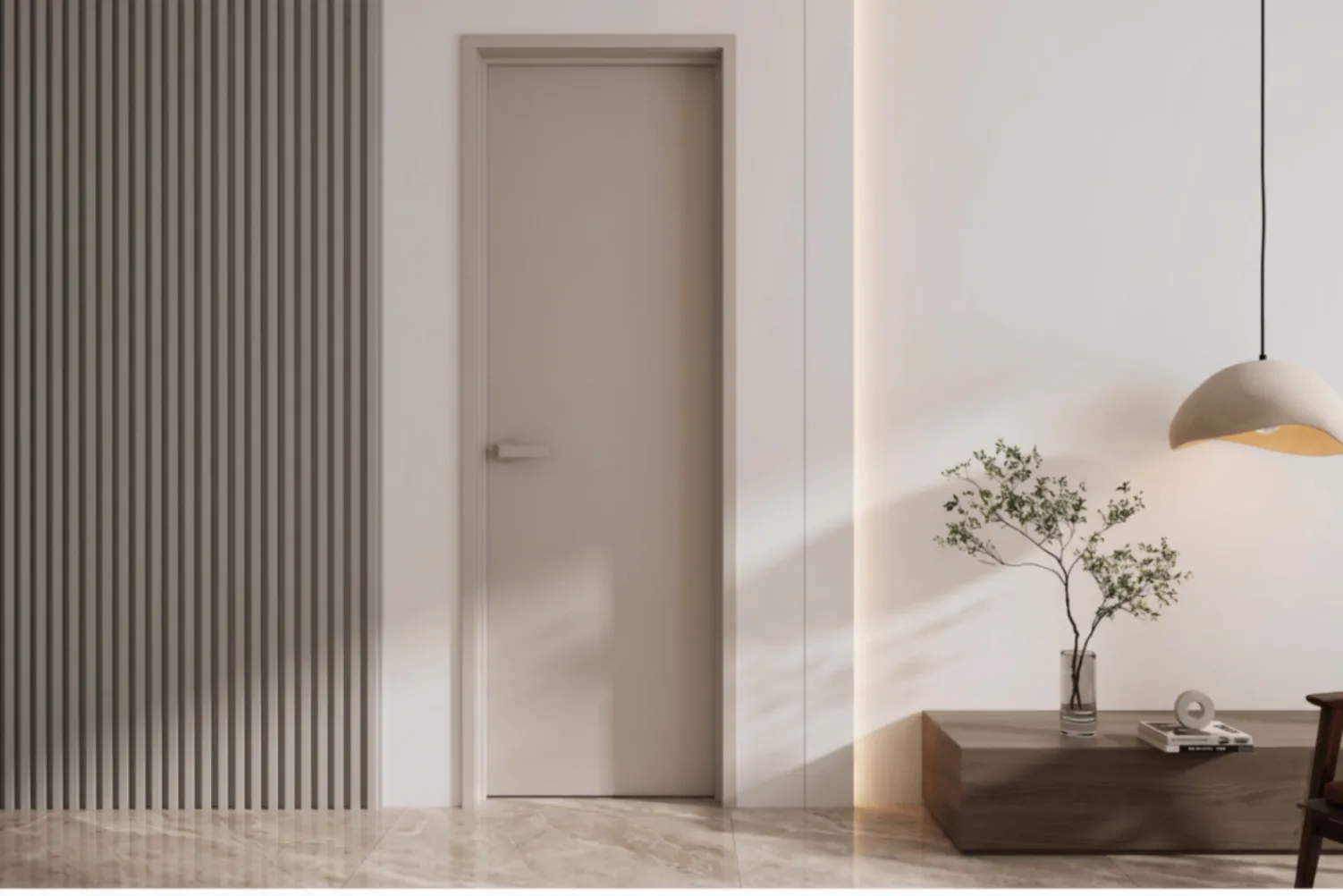
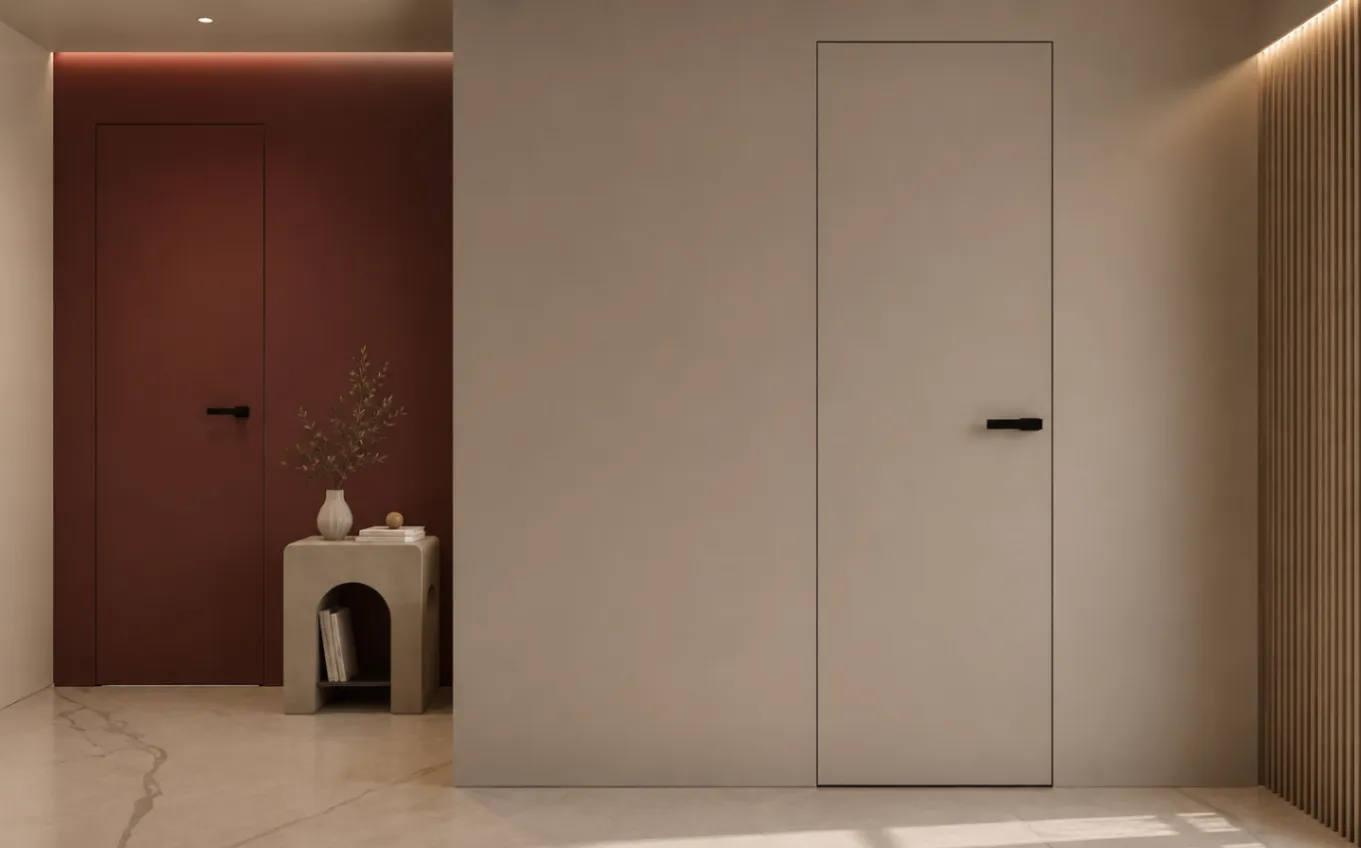
Seamless hidden-frame interior door for a flush wall appearance
Interior Door Systems
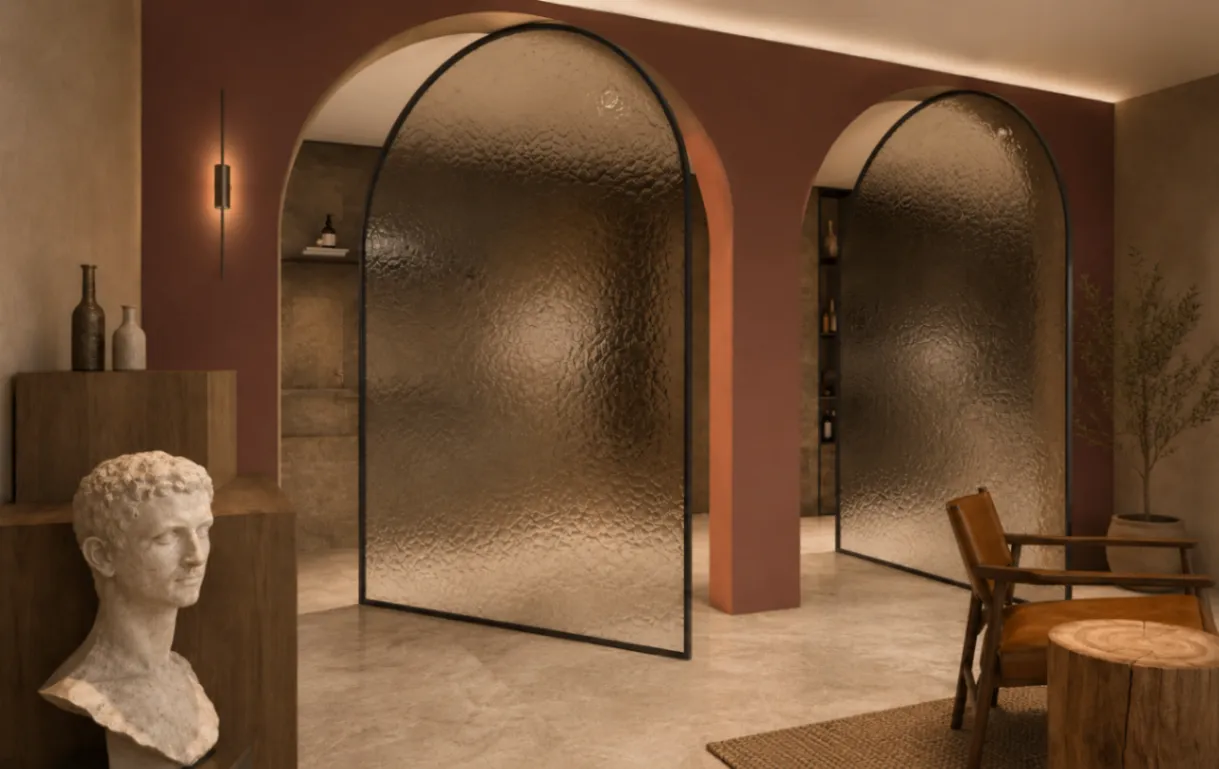
Concealed-frame glass ghost door for a seamless invisible appearance
Interior Door Systems
Statement pivot door with full-height glass panel and center-axis rotation
Interior Door Systems
Slim 45 mm concealed-frame glass ghost door for minimalist interiors
Interior Door Systems
Slim 45 mm pivot door with glass panel for modern interior transitions
Interior Door Systems
Ultra-slim 18 mm profile swing door for minimalist modern interiors
Interior Door Systems
Top-hung sliding door with pre-embedded concealed border for a clean finish
Interior Door Systems
Top-hung sliding door with visible border for retrofit and new-build installations
Interior Door Systems
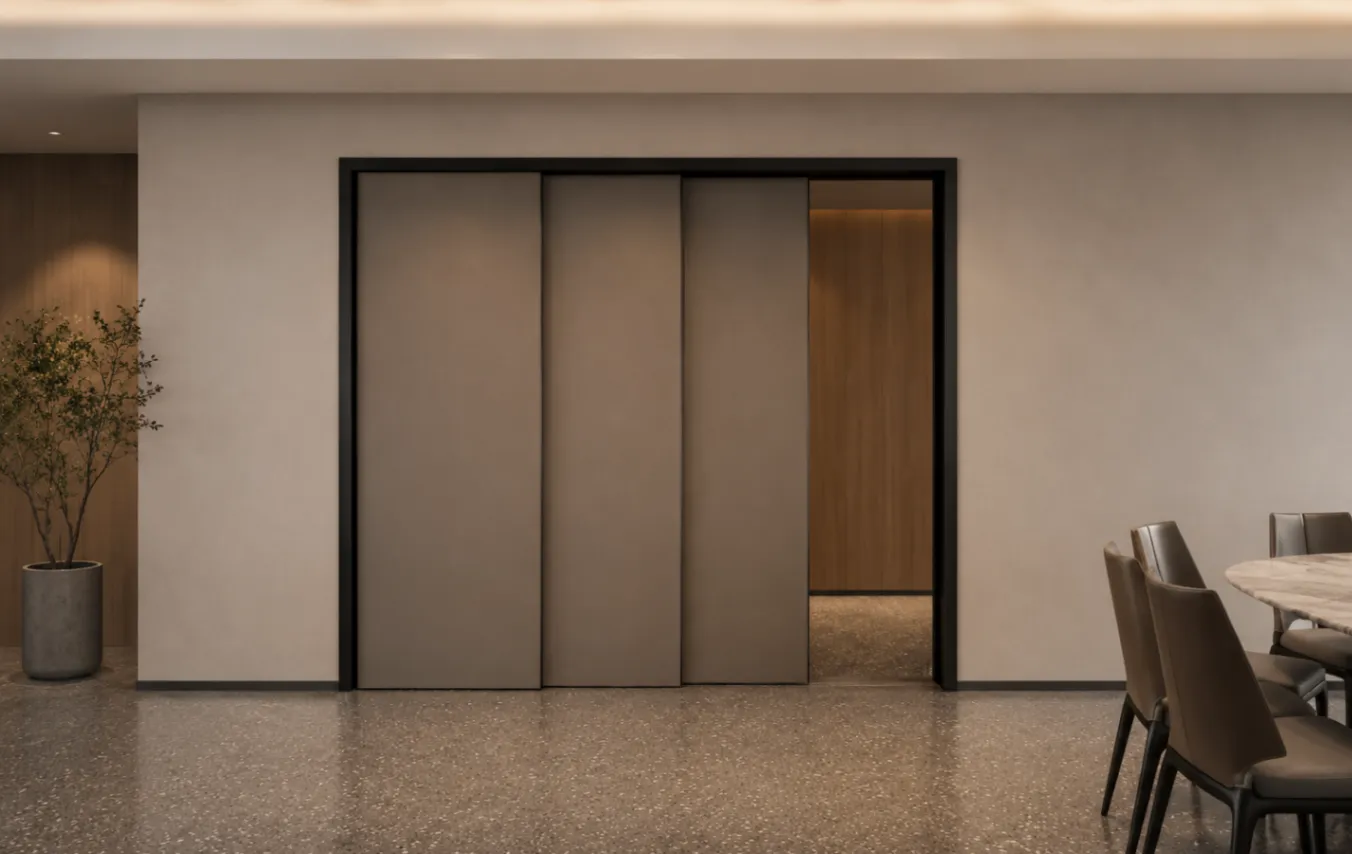
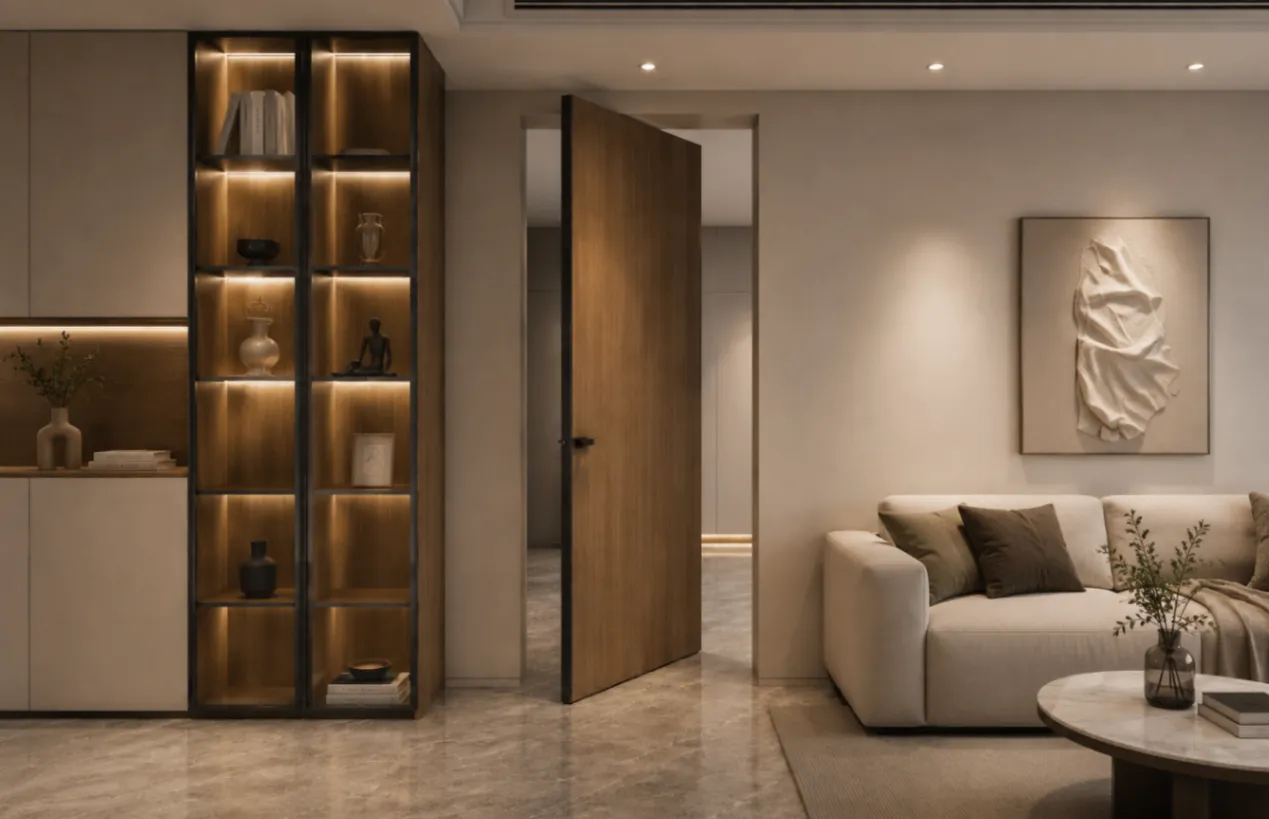
Space-saving pocket door with aluminum frame and wood panel infill
Interior Door Systems
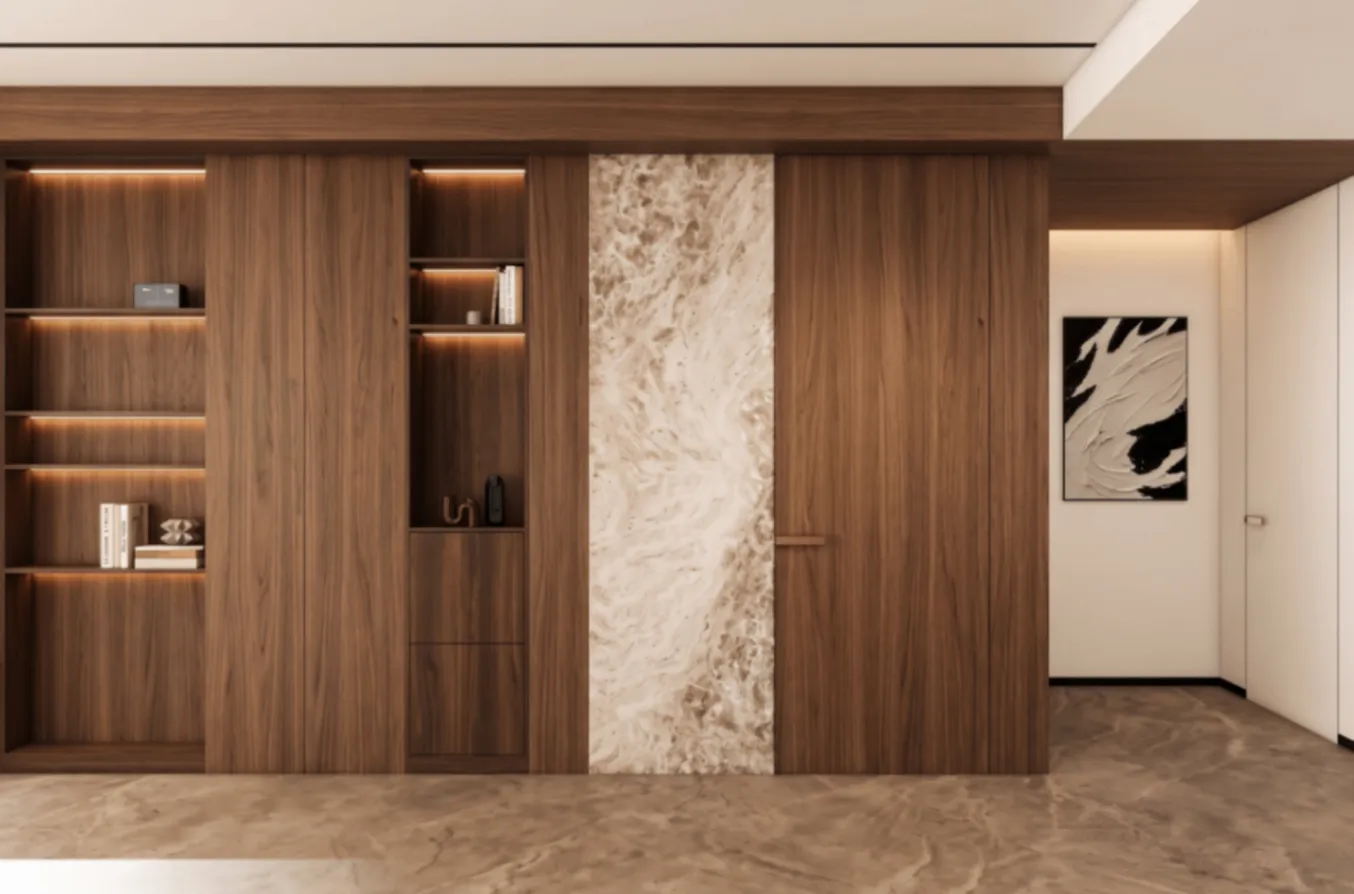
Concealed-frame wood panel ghost door for seamless wall integration
Interior Door Systems
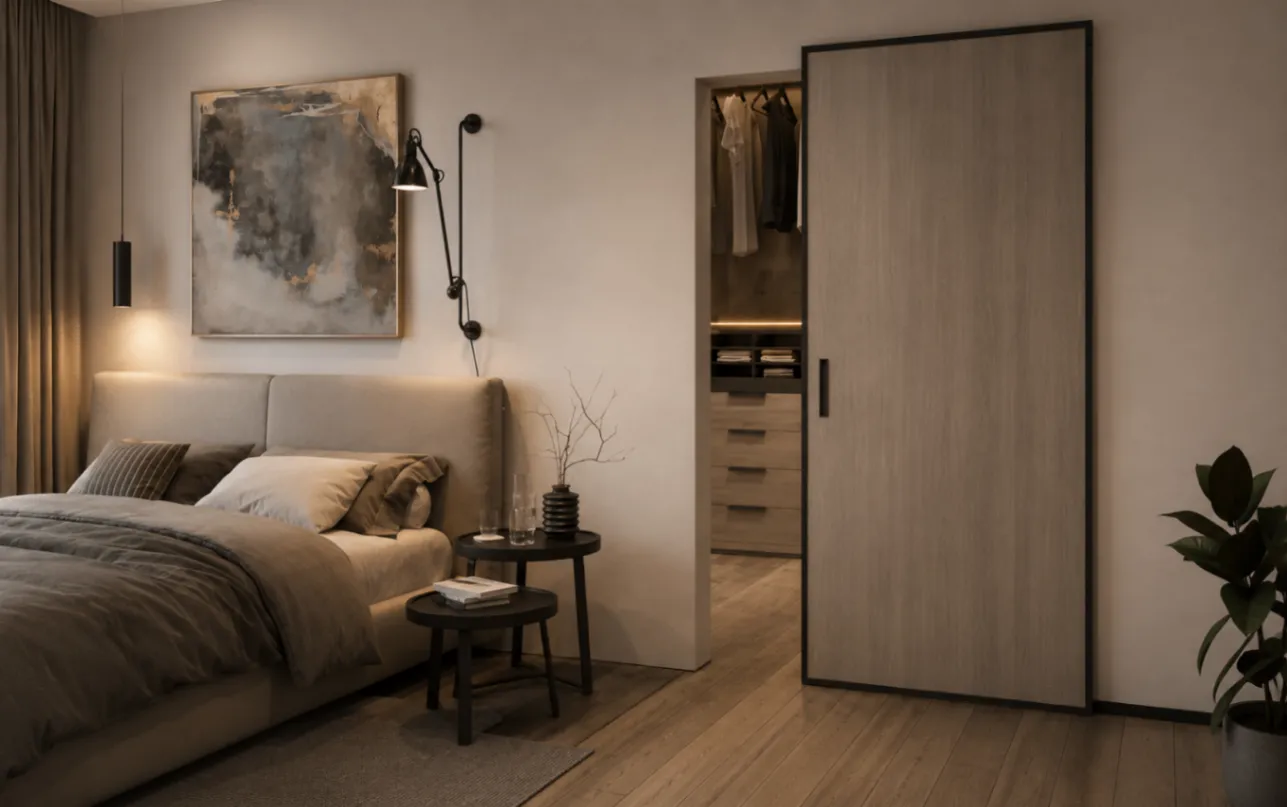
Center-axis pivot door with aluminum frame and wood panel for warm luxury interiors
Interior Door Systems
Paintable panel interior door with hidden frame for fully customisable wall integration
Interior Door Systems
Fully invisible door integrated with a continuous protective wall panel system
Interior doors in Gulf homes live with air conditioning running for most of the year, coastal humidity and, in many villas, large open-plan spaces. Traditional timber doors can swell, shrink or warp as humidity changes, and frames can be attacked by termites.
An aluminium-framed door avoids most of these problems:
The result is a door that suits contemporary villa interiors and keeps its appearance with simple care.
Our interior range covers every opening style a villa typically needs.
| Model | Opening | Frame depth | Wall thickness | Infill / glass |
|---|---|---|---|---|
| 45-VF | Swing, visible frame | 45 mm | 1.6–1.8 mm | SPC / carbon crystal board |
| 55-VF | Swing, visible frame | 55 mm | 2.5 mm | Carbon crystal / solid wood |
| 55-HF | Swing, hidden frame | 55 mm | 2.5 mm | Carbon crystal / solid wood |
| 55 Series Paintable | Swing, hidden frame | 55 mm | 2.5 mm | Paintable panel |
| 60-INV | Swing, invisible | 60 mm | 3.0 mm | Carbon crystal / solid wood |
| 18 Slim | Swing | 18 mm visible | 1.8 mm | 8 mm tempered glass |
| TL8 Ghost / 45 Ghost | Ghost | 80 / 45 mm | 2.0 / 1.8 mm | 8 mm tempered glass |
| 45 Aluminium-Wood Ghost | Ghost | 45 mm | 1.8 mm | Wood panel |
| TL8 Pivot / 45 Pivot | Pivot | 80 / 45 mm | 2.0 / 1.8 mm | 10 / 8 mm tempered glass |
| 45 Aluminium-Wood Pivot | Pivot | 45 mm | 1.8 mm | Wood panel |
| TL8 Pocket | Pocket sliding | 58 / 104 mm | 2.0 mm | 8 mm tempered glass |
| 45 Aluminium-Wood Pocket | Pocket sliding | 45 mm | 1.8 mm | Wood panel |
| 45 Hanging (embedded / visible border) | Top-hung sliding | 45 mm | 1.8 mm | 8 mm tempered glass or wood panel |
As a rule, the 55 and 60 series are the premium choices, with heavier 2.5–3.0 mm walls and MSI hardware, while the 45 series offers the same opening styles at a more competitive level.
Start with the room and the design intent, then the opening style.
For a matching look, many villa projects combine hidden-frame doors in bedrooms with glass ghost or pivot doors in living areas.
Coordinate early. Interior doors are installed late in a project, but the decisions behind them come early. Hidden-frame, invisible, paintable and pre-embedded hanging doors need their frames set into the wall before plastering or cladding, and pocket doors need a wall cavity of the right size. Floor finish levels must also be known so the door clears the floor correctly. Alminyar works from the architectural drawings and site measurements to prepare shop drawings, and coordinates with the contractor on the sequence.
Installation. Frames are fixed plumb and square, hardware is adjusted so doors close quietly with even gaps, and painted-panel doors are finished on site after installation to match the wall.
Care.
In humid, air-conditioned homes they have clear practical advantages: the aluminium frame does not swell, warp or attract termites, and moisture-resistant infills keep their shape. You can still have a warm wood look with wood-grain finishes or wood panel infills.
A hidden frame door has its aluminium frame set flush within the wall, so no architrave or visible frame is seen. Closed, the door sits in the same plane as the wall. Our 55 Series Hidden Frame, 55 Series Paintable and 60-INV doors use this approach.
A ghost door is a swing door with a concealed frame and concealed hinges that blends into the wall. A pocket door slides sideways into a cavity inside the wall and disappears completely when open.
Yes. The 55 Series Paintable Panel and Hidden Frame door is designed to be painted on site after installation in any wall colour, making it virtually invisible when closed.
Early, before walls are plastered or clad. Their frames or pocket cassettes are built into the wall, so the door type and size should be confirmed during design or early construction.
The door type (visible frame, hidden, pivot, pocket or ghost), height and width, infill or glass, hardware, finish and the number of doors. Hidden, invisible and pivot doors and taller leaves generally sit at the higher end.
Products
Send your plans or opening schedule. Our engineers recommend the right systems and reply within 2 business days.