

Aluminium systems for Gulf architecture
Aluminium Windows & Doors in Dubai & the UAE
Alminyar supplies and installs aluminium windows, doors and facade systems for projects in the United Arab Emirates, from villas in Dubai and Abu Dhabi to residential and commercial buildings in Sharjah and the Northern Emirates. Our systems are chosen for the UAE’s extreme summer heat, coastal humidity, dust and the wind loads of high-rise construction. Headquartered in Muscat and part of The Address Group, we deliver large projects across the GCC and work alongside consultants, contractors and developers from specification to installation.
- Dubai
- Abu Dhabi
- Sharjah
- Ajman
- Ras Al Khaimah
- Al Ain
Climate and what it means for your specification
Extreme summer heat
Summers in the UAE are long and intense, with temperatures frequently above 45°C, especially inland around Al Ain and the desert interior. Strong sunshine on east and west elevations — and on every face of a tower — drives cooling demand, heats frames and quickly degrades low-grade coatings and gaskets.
Coastal humidity and salt
Dubai, Abu Dhabi, Sharjah, Ajman and Ras Al Khaimah are coastal cities where summer humidity is very high. Heat, humidity and salt-laden air together are aggressive to aluminium finishes, fixings and hardware. In air-conditioned buildings, frames without a thermal break and poorly specified glass can suffer condensation.
Shamal winds, dust and sand
The shamal, a north-westerly wind that can blow in winter and in early summer, raises dust and sand. Airborne particles abrade finishes, clog sliding tracks and drainage, and penetrate weak brush seals and gaskets.
High-rise wind loads
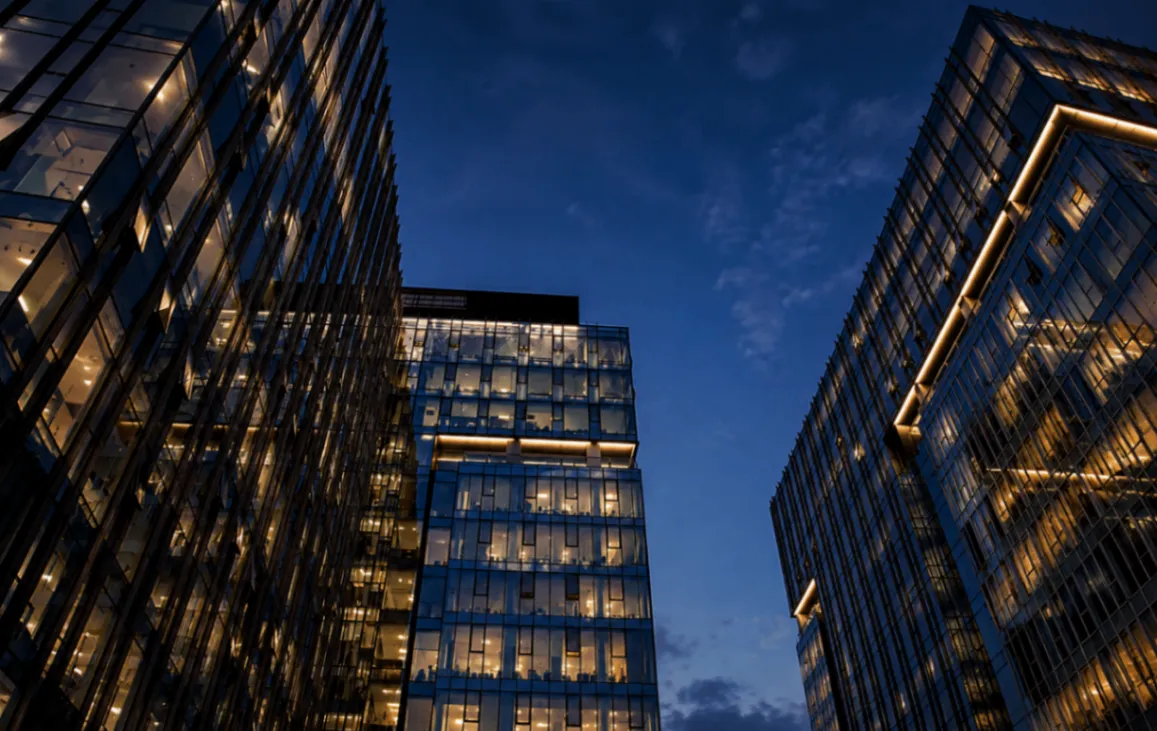
Dubai, Abu Dhabi and Sharjah have a large share of towers. Wind pressure rises with height and is highest at corners and roof edges, so windows and facades on high-rise projects need project-specific wind-load design — often based on wind-tunnel data provided by the structural or facade consultant — together with deflection checks for profiles and glass.
Occasional intense rain
Rain is rare but can be heavy, as the record rainfall of April 2024 showed. When it comes it is often wind-driven, which tests water tightness, drainage and the sealing between frame and structure.
What this means for specification
- Thermal break frames and high-performance double glazing to cut cooling load and condensation risk.
- Solar control or Low-E glass, selected with the consultant to suit the green-building requirements of the emirate.
- Fluorocarbon (PVDF) or marine-grade finishes and stainless steel fixings for coastal sites.
- Dust-resistant seals and protected drainage on sliding and lift-and-slide systems.
- Engineered wind-load calculations for every high-rise elevation.
Codes and standards
What to consider when specifying
Dubai Building Code (Dubai Municipality)
The unified building code issued by Dubai Municipality sets requirements for building envelopes, including facades, glazing and safety glass. Window and facade systems on Dubai projects are designed and submitted to meet it, as interpreted by the project consultant.
Dubai Green Building Regulations and Al Sa'fat rating system
Dubai Municipality's green building regulations, applied through the Al Sa'fat rating system, include requirements for the thermal and solar performance of glazing and the building envelope. The consultant defines the glass and frame performance needed for the target rating, and the window supplier provides the technical data to demonstrate it.
Estidama Pearl Rating System (Abu Dhabi)
In Abu Dhabi, new buildings are assessed under the Estidama Pearl Rating System, which requires a minimum Pearl rating and covers envelope and glazing energy performance. Glass selection, frame performance and air tightness are typically reviewed against Estidama requirements during design approval.
Abu Dhabi International Building Code
Abu Dhabi has adopted a building code based on the International Code family, which governs structural design — including wind loads on facades and glazing — and safety glazing requirements for projects in the emirate.
UAE Fire and Life Safety Code of Practice
The UAE Civil Defence code sets fire performance requirements for facade and cladding materials, insulation and fire-rated doors. Facade components on multi-storey buildings must use tested and approved materials, and submissions are reviewed by the Civil Defence authority of the relevant emirate.
Facade approvals: Dubai Municipality and Trakhees
Depending on the location, facade designs and materials in Dubai are approved by Dubai Municipality or, within its jurisdiction, by Trakhees. Submissions typically include shop drawings, structural calculations and material data, prepared with the consultant and the main contractor.
Products
Available systems
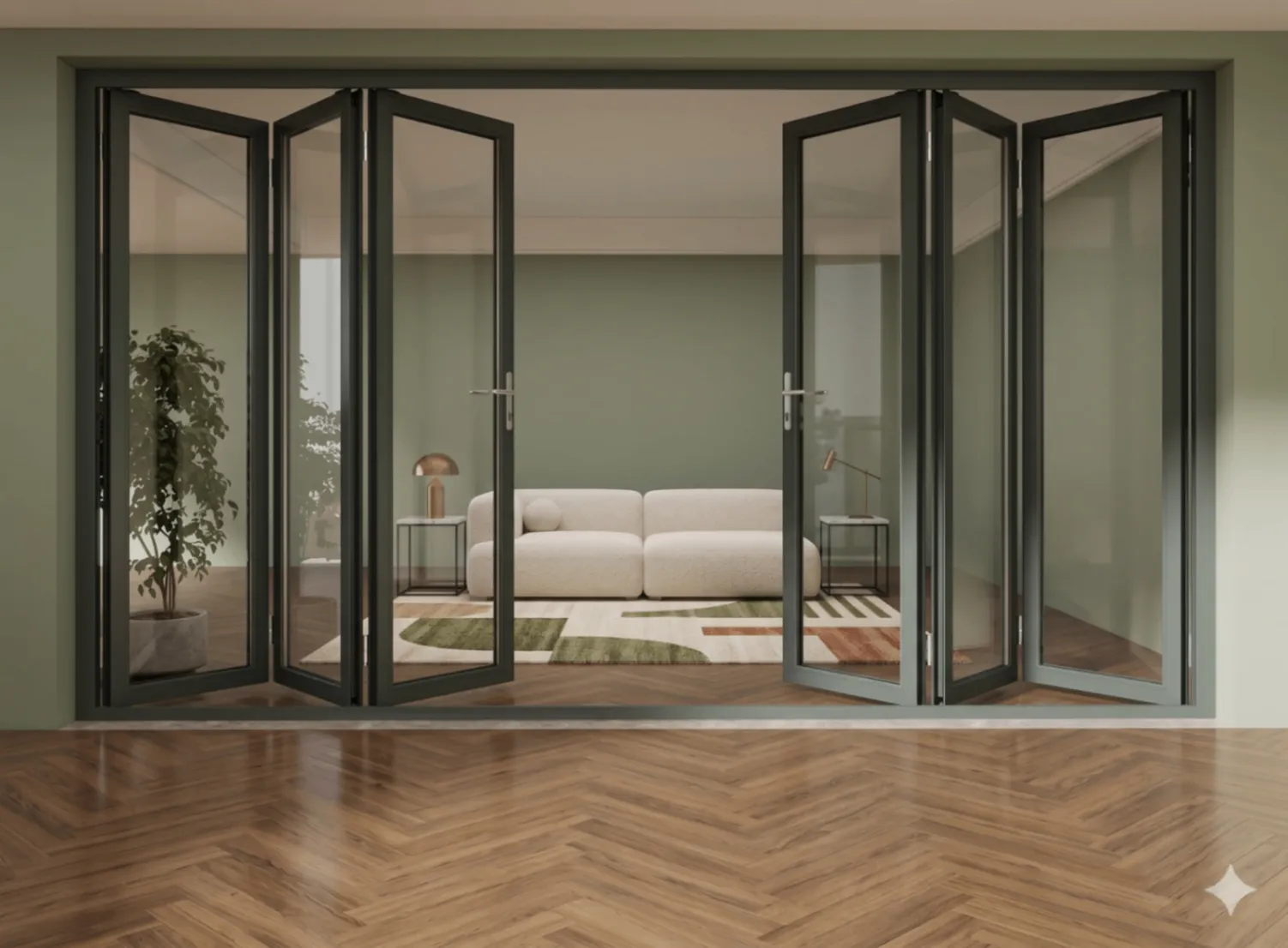
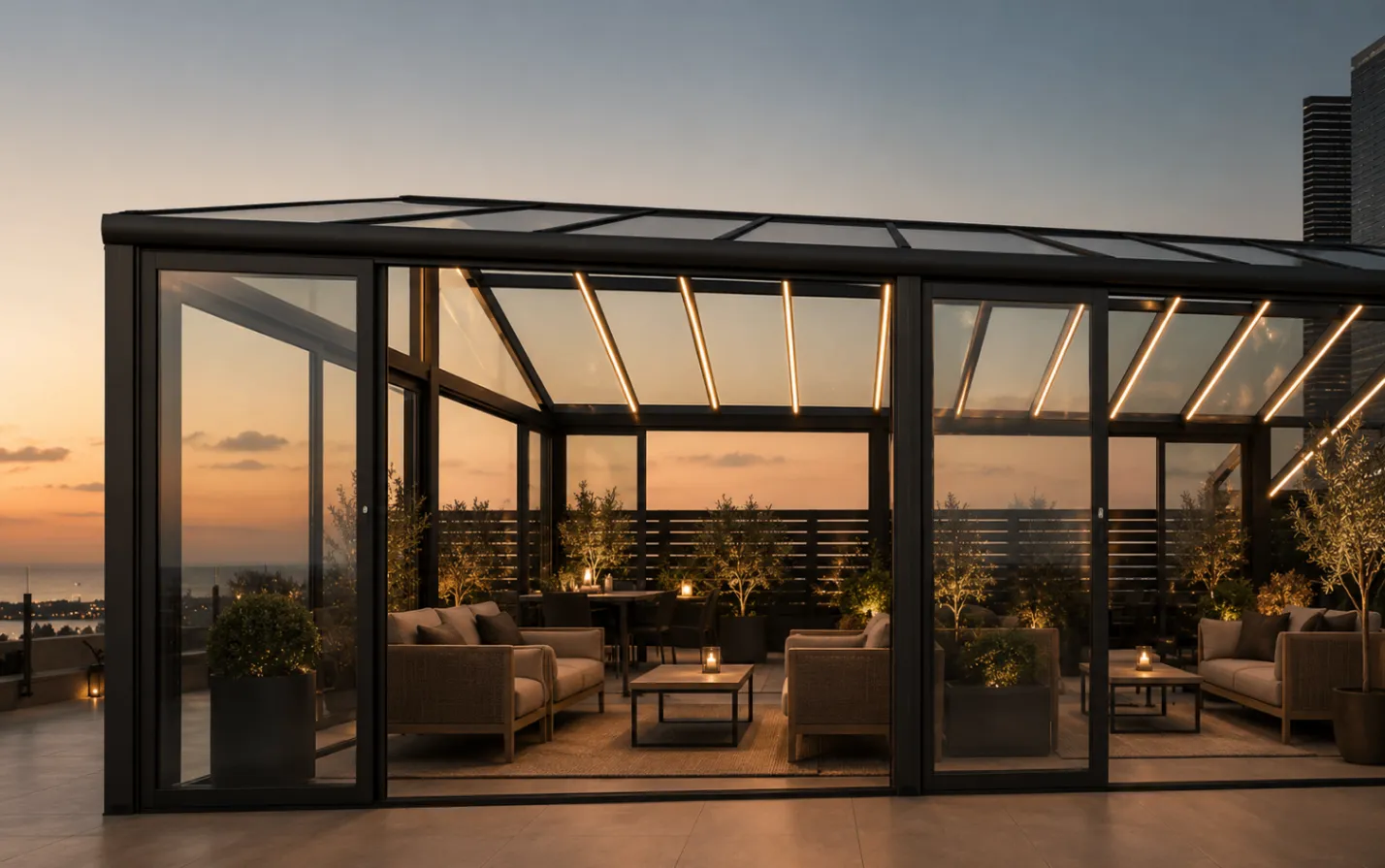
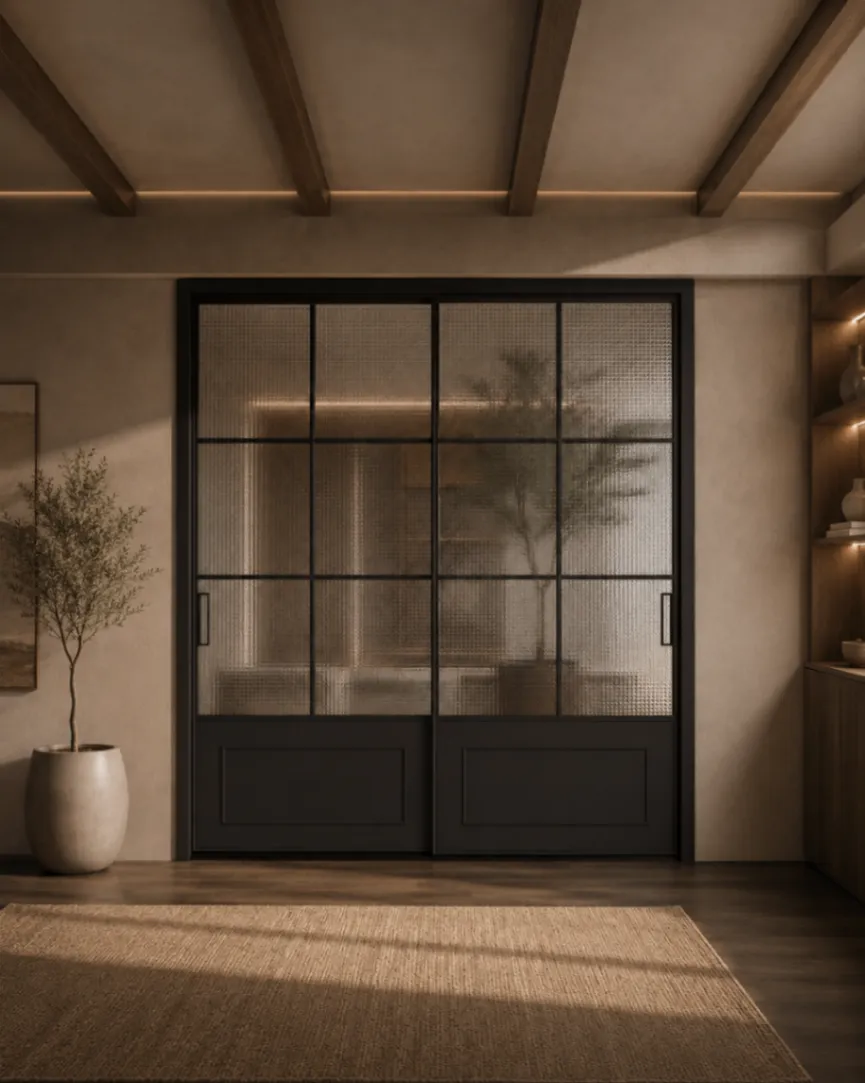
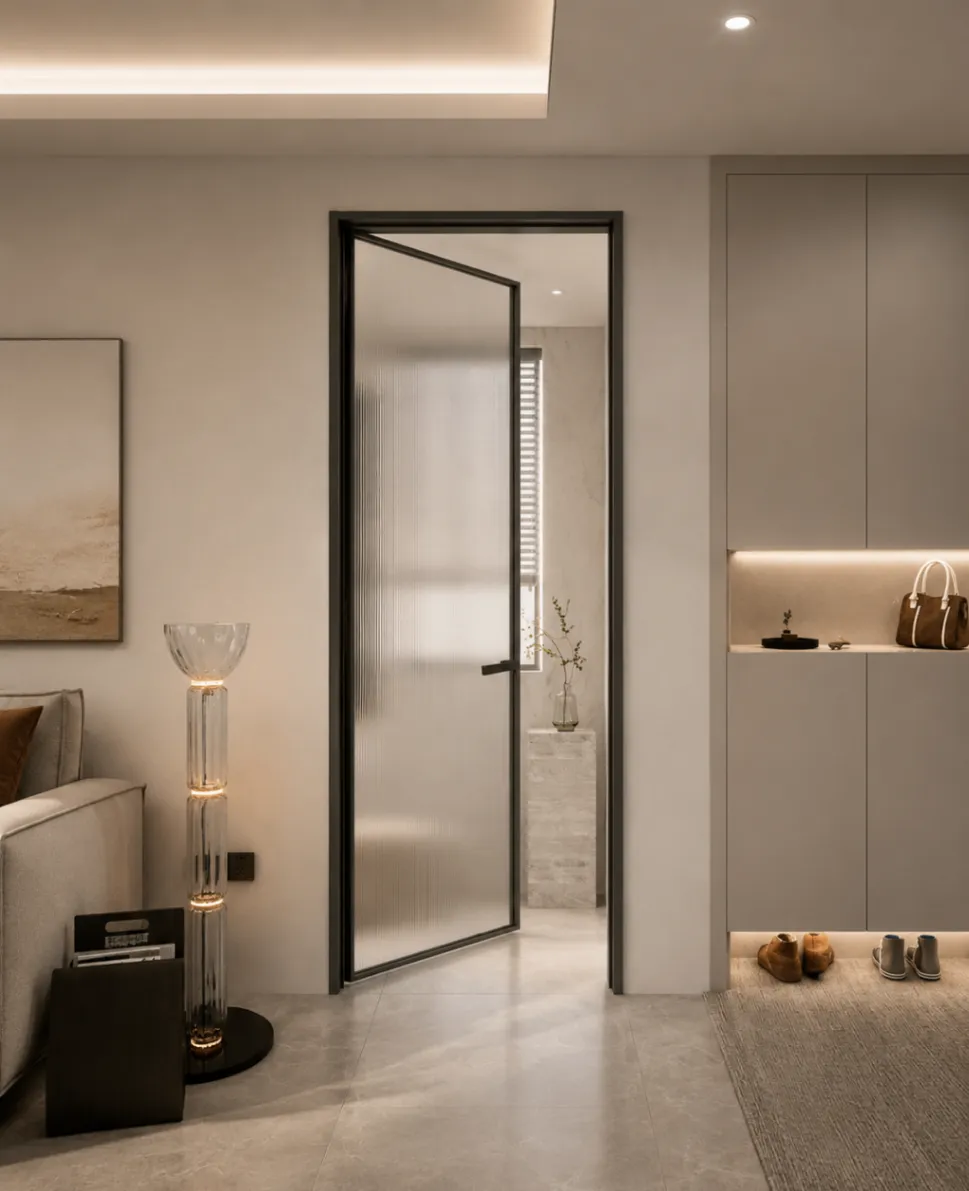
FAQ
Do you supply and install aluminium windows and doors in Dubai?
Yes. Alminyar supplies and installs projects in Dubai, Abu Dhabi, Sharjah and the other emirates as part of our work across the GCC. The scope, site logistics and installation arrangements are confirmed in the quotation for each project.
Which aluminium windows are suitable for high-rise buildings in Dubai?
High-rise projects need thermal break systems with deep frames and thick-walled profiles, checked against a project-specific wind-load calculation. In our range, the Q35 window — 135 mm frame depth and 3.0 mm wall thickness — is designed for high-rise residential and commercial buildings. The final selection is confirmed by structural calculation.
Which glass is best for villas in the UAE?
Double glazing in a thermal break frame is the starting point. On west and east elevations, solar control or Low-E glass reduces heat gain and glare, and laminated glass improves safety and sound insulation for large panes. Your consultant may also set performance targets under Al Sa’fat or Estidama.
Can your systems meet Dubai Al Sa'fat or Abu Dhabi Estidama requirements?
Compliance is assessed for the whole building, not for a window alone. We provide the technical data for our systems and glass options so the consultant can check them against the target rating, and we propose a frame and glass combination to suit the requirement.
How long does supply to the UAE take?
It depends on the system, finish, glass specification and quantity, and on the project programme. We confirm supply and installation timing in the quotation once drawings and specifications are agreed.
Are you an aluminium company in the UAE? Where is your showroom?
Alminyar is headquartered in Al Maabilah, Muscat, where our showroom is located, and we supply and install projects across the GCC, including the UAE. Send your drawings or specification to request a quote and our team will follow up.
Have drawings? Get a specification and quotation.
Send your plans or opening schedule. Our engineers recommend the right systems and reply within 2 business days.